
New generation Titanium Diboride composite armour materials
Short Description
The next generation Armour Piercing Bullet with Tungsten Carbide core has been introduced into the world's leading military forces by the beginning of the 21st century, and later, into the Russian army, which has resulted in a sharp increase in penetrability of the existing standard composite armour plates. The only armour system that effectively stops these bullets is a combined structure obtained through a hot-pressing technology and composed of multilayer fabric made of high-molecular organic fibres. Despite the high armour properties of the above-mentioned structure, its components (separately and together) have some negative sides as well: High cost, low production capacity and low firmness of armour ceramics, which hinders its widespread use in personal protective equipment and in armoured combat vehicles as well. Therefore, there was a need to find new approaches in processing technologies of protective structure and its new components in order to: create a new generation armour material for ceramic armour, characterized by high hardness and strength (not less than boron carbide), low cost (30–50$ per/kg) and high capacity and with the following physical-mechanical properties: Micro hardness - 3300-3600 kg/mm2; bending strength 40-100 kg/mm2; density - 4.0–4.5 g/cm3. The obtained results will allow us to replace the boron carbide ceramics with a relatively inexpensive and perspective armour material.
With regard to the second element of armour structure, a new approach has also been found to composition of multilayer fabric and manufacturing technology, which involves the production of a high performance industrial thermo hydro forming unit, which in liquid, under high pressure and temperature, would thermo form composite armour products (Ballistic Ceramic Plate) of complex configurations. This method gives us the opportunity to get a composition of thermally pressed multilayer fabric (ceramic plate) composed of relatively cheap, impact-resistant and puncture-resistant super-hard materials.
Based on the above mentioned, we will obtain the new generation armour plates characterized with high-quality protection, low cost and high capacity of production through combining two different components of armour with enhanced properties into one composition.
This will allow their widespread use in personal protective equipments and in all kinds of armoured combat vehicles as well.
The Problem and Proposed Solution
A wide introduction of the next generation Armour Piercing Bullet with Tungsten Carbide core in the world's leading military forces and later in the Russian army has led to a sharp increase in penetrability of the existing standard composite armour plates. In modern Armour Piercing Bullets hardened steel core is replaced by hard alloy of tungsten carbide and cobalt, the hardness of which 91-92 HRA is much higher than the hardness of hardened steel core. This makes it possible to increase the penetrability of armour plates by 60-70% compared to Armour Piercing Bullet with hardened steel core and with the same calibre and energy. The use of such bullets poses serious problems for personal protective equipment, such as armour vests and combat helmets, and for armoured vehicles as well.
The most common Armour Piercing Bullets with Tungsten Carbide core in NATO subdivisions are: small calibre - 7,62X51mm AP M993, 7,62X51 SWISS P AP, 8,6X70mm AP485 and AP529.
Currently, the most efficient armoured system that stops these bullets is a combined structure obtained through a hot-pressing technology and composed of multilayer fabric made of high-molecular organic fibers. Despite the high armour properties of the above-mentioned structure, its components (separately and together) have some negative sides as well: High cost, low production capacity and low firmness of armour ceramics, which hinders its widespread use in personal protective equipment and in armoured combat vehicles as well. Therefore, there was a need to find new approaches in processing technologies of protective structure and its new components in order to: create a new generation armour material for ceramic armour, characterized by high hardness and strength (not less than boron carbide), low cost and high capacity and with the following physical-mechanical properties: Micro hardness - 3600-3800 kg/mm2; bending strength 70-80 kg/mm2; density - 4.0–4.5 g/cm3.
The goal of the research is that the grain size of sintered composite material shall not exceed the micron. For this purpose, it is necessary to develop the grinding and sintering modes, as well as to select special alloy components that will hinder the growth of grain size during sintering. The obtained results will allow us to replace boron carbide ceramic with a relatively prospective, cheap armour material with high physic - mechanical and ballistic properties.
Solution
A system of composite materials with high physical and mechanical properties based on titanium diboride, obtained by low-temperature vacuum sintering, both liquid-phase sintering and solid state sintering, which allows the production of approximately, about forty technical ceramic compositions, including approximately, about fourteen to sixteen new generation armor materials, both for the production of individual protection body armor and for the armoring of equipment, specially designed to stop new generation armor-piercing bullets (tungsten carbide core).
Physical and mechanical properties and cost
- Process
- Both liquid-phase sintering and solid state sintering
- Density (g/cc)
- 4.0 – 4.4
- Hardness (kg/mm²)
- 3300 – 3600
- Bending strength (kg/mm²)
- 40 – 100
- Grain size after vacuum sintering (µm)
- 0.5 – 0.7
- Cost of composite materials obtained
- $30 – $50
- Applications
- Ballistic armor
Method for producing a new generation of composite armor material
Liquid-phase sintering and solid state sintering.
- 01
Wet milling of a new composite armor material powders on Titanium Diboride base
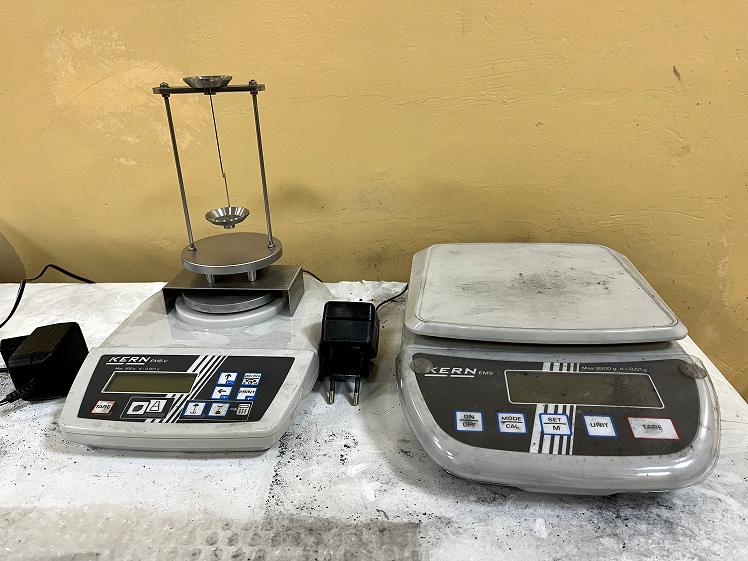
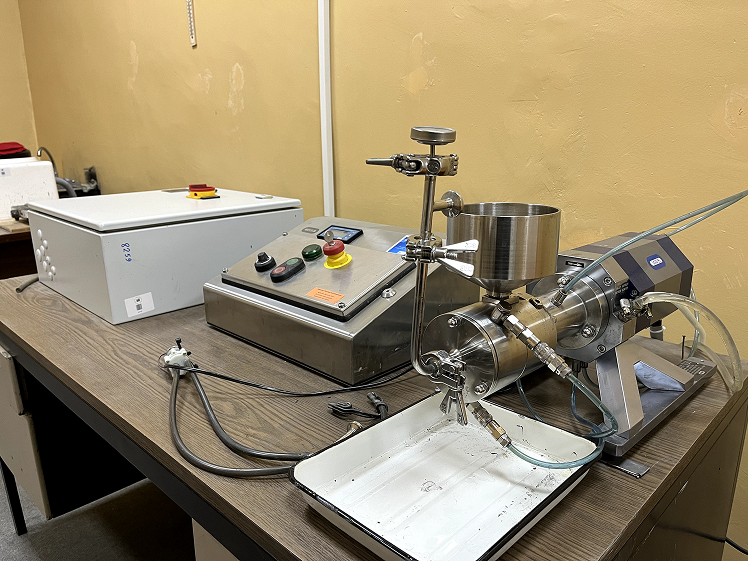
- 02
Plastered materials drying in vacuum furnace after wet milling
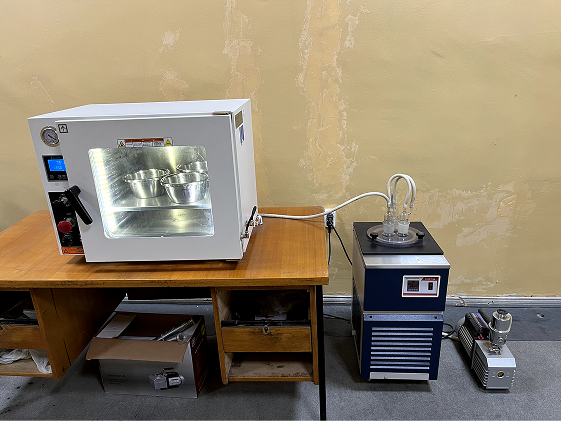
- 03
Cold-pressing-forming regimes of plaster materials after dried in vacuum furnace
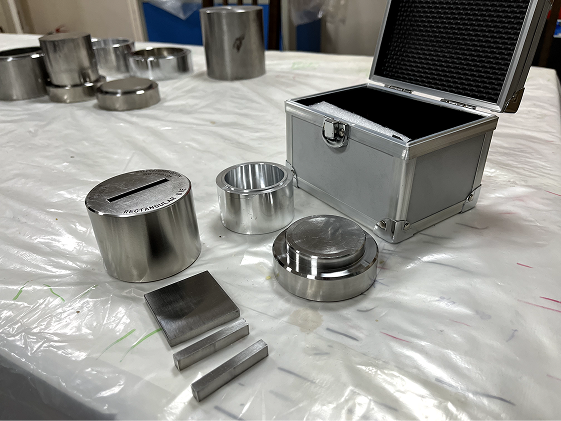
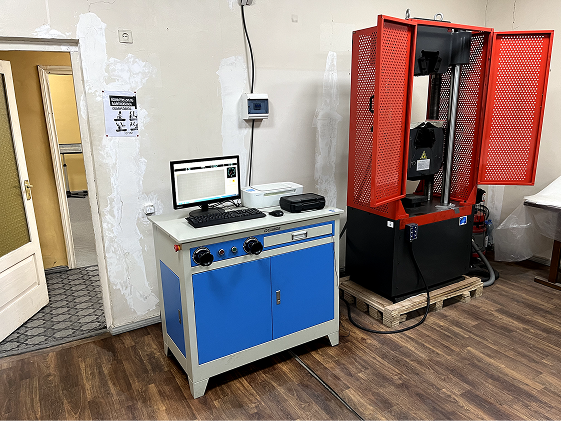
- 04
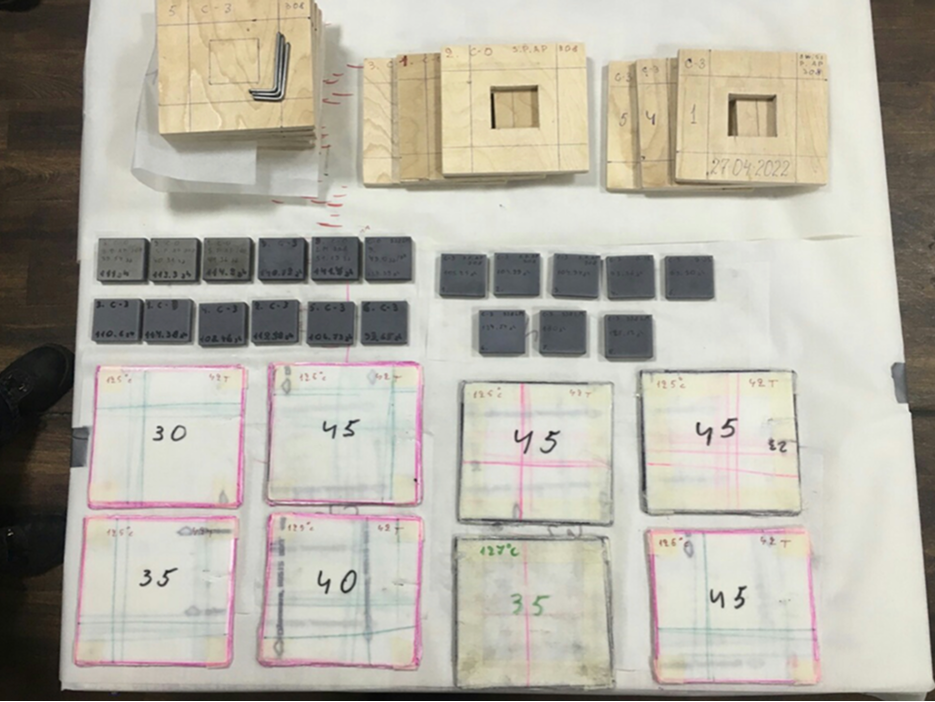
The pressed powder is a square plate (depending on the press mold)
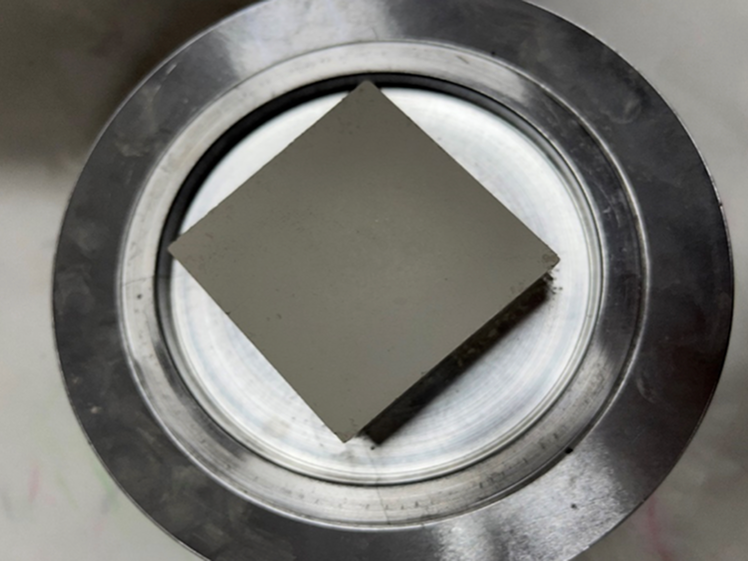
- 05
Cold pressed square plates are placed for sintering in high-temperature vacuum furnace
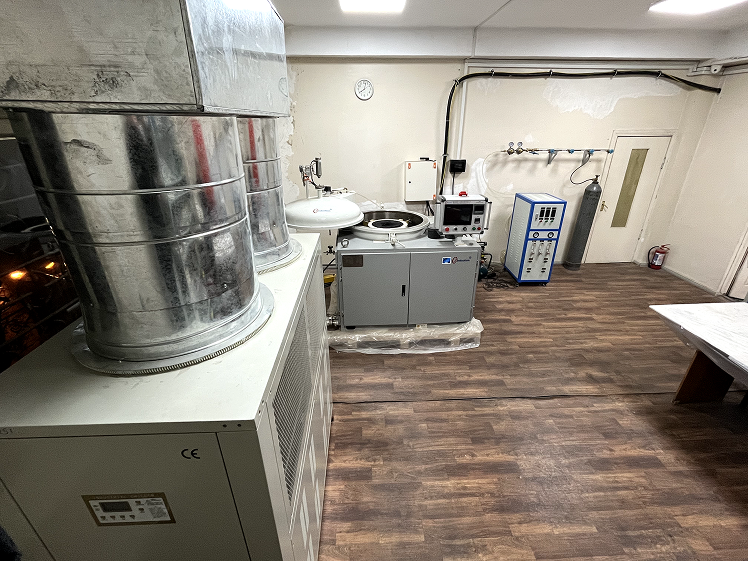
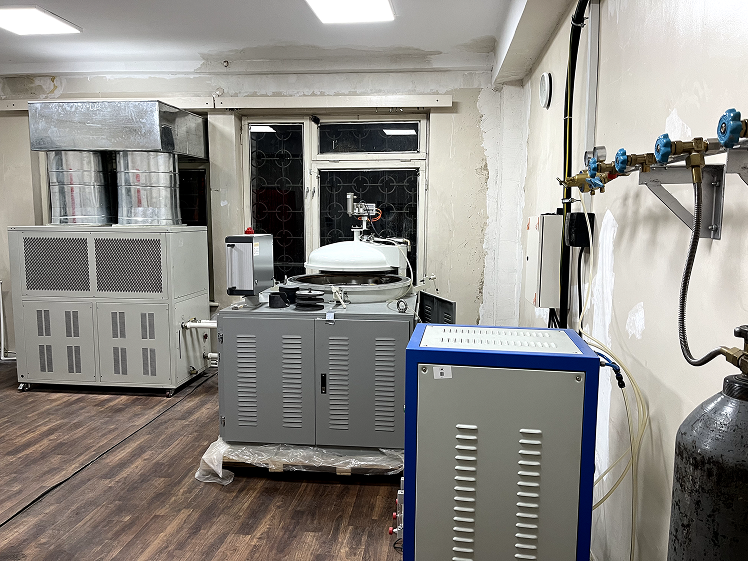
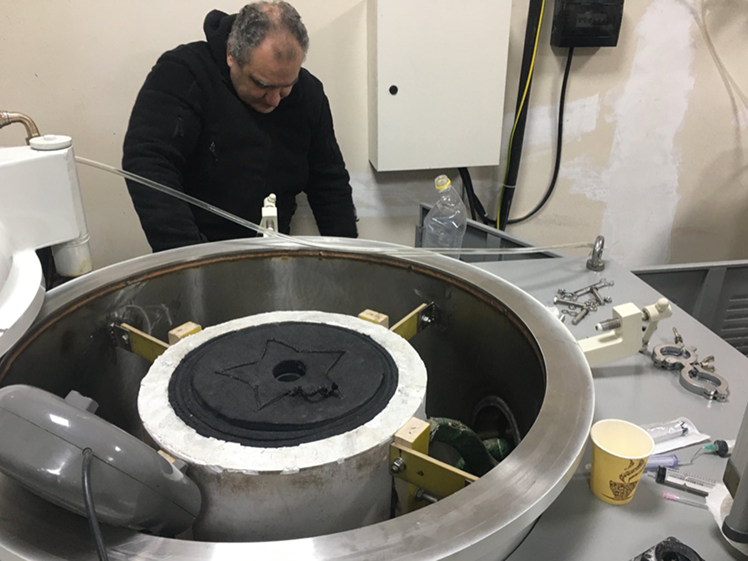
- 06
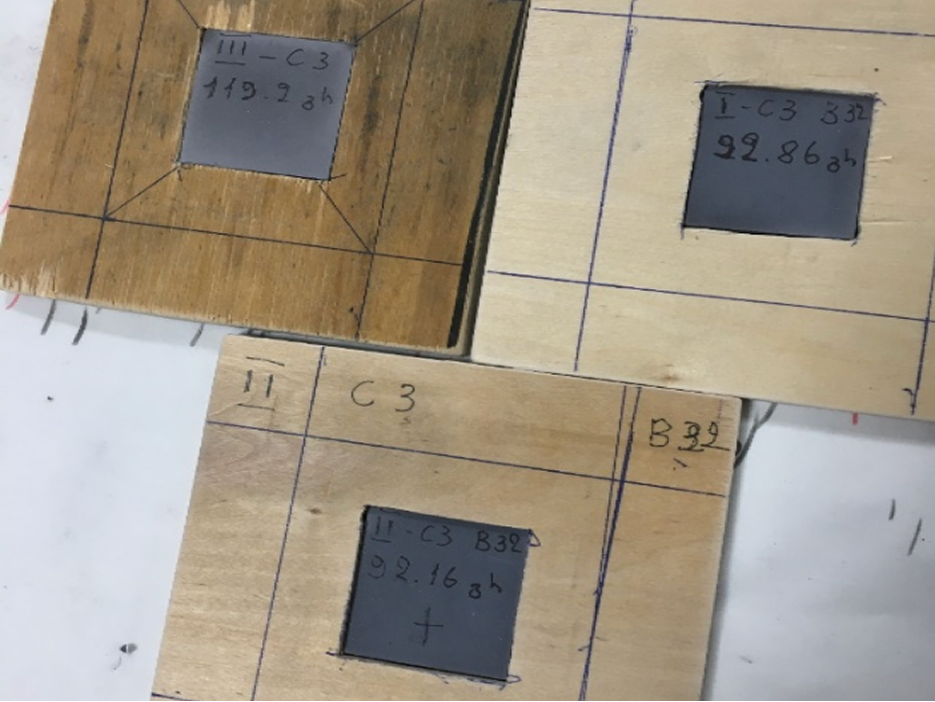
Sintered armor plates is ready for ballistic tests
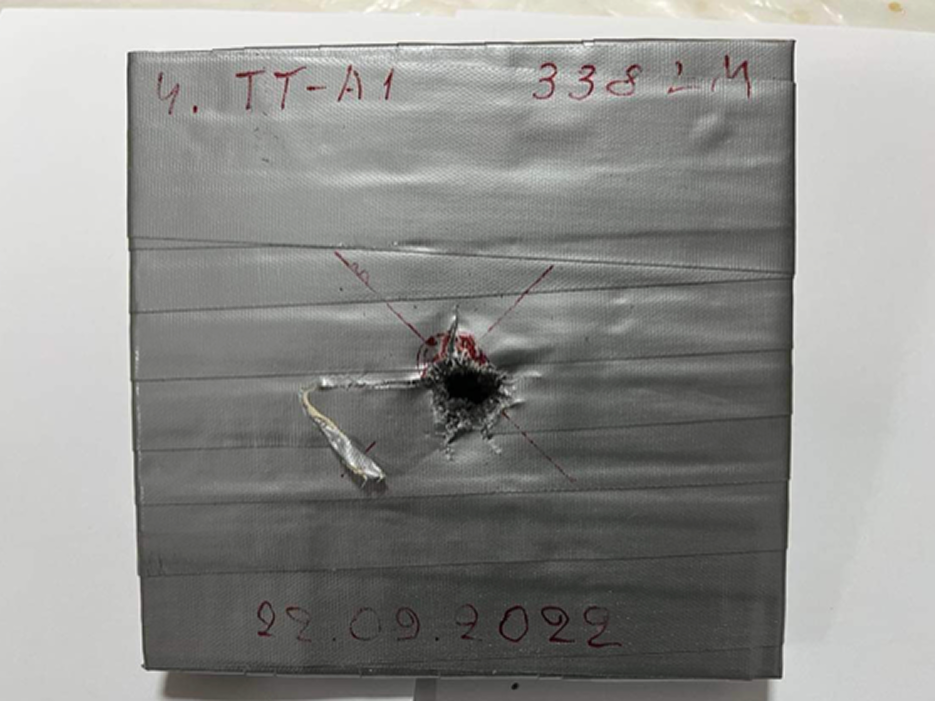
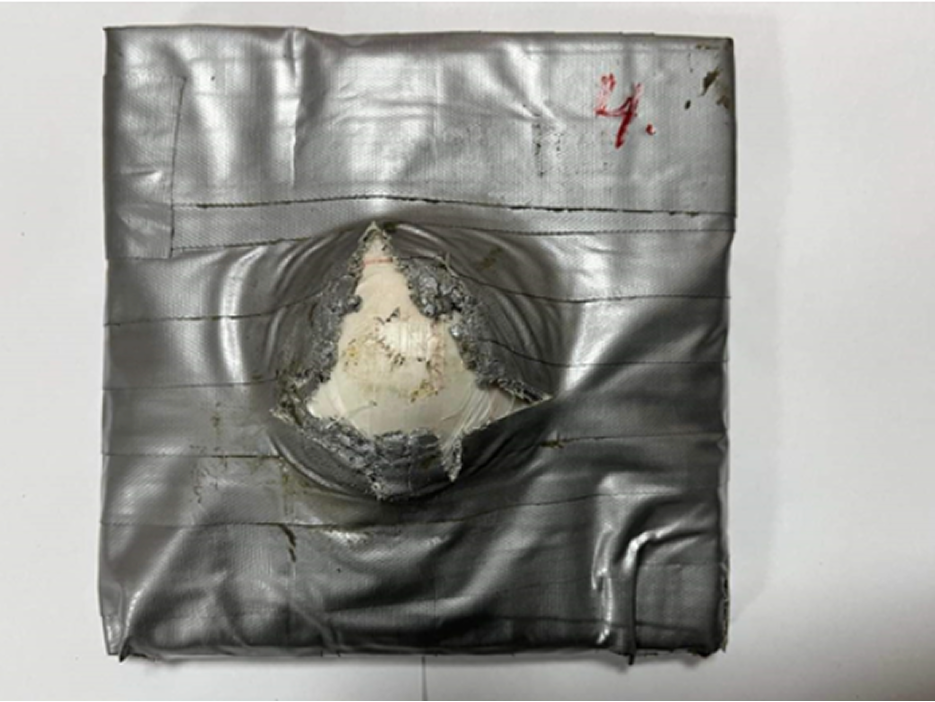
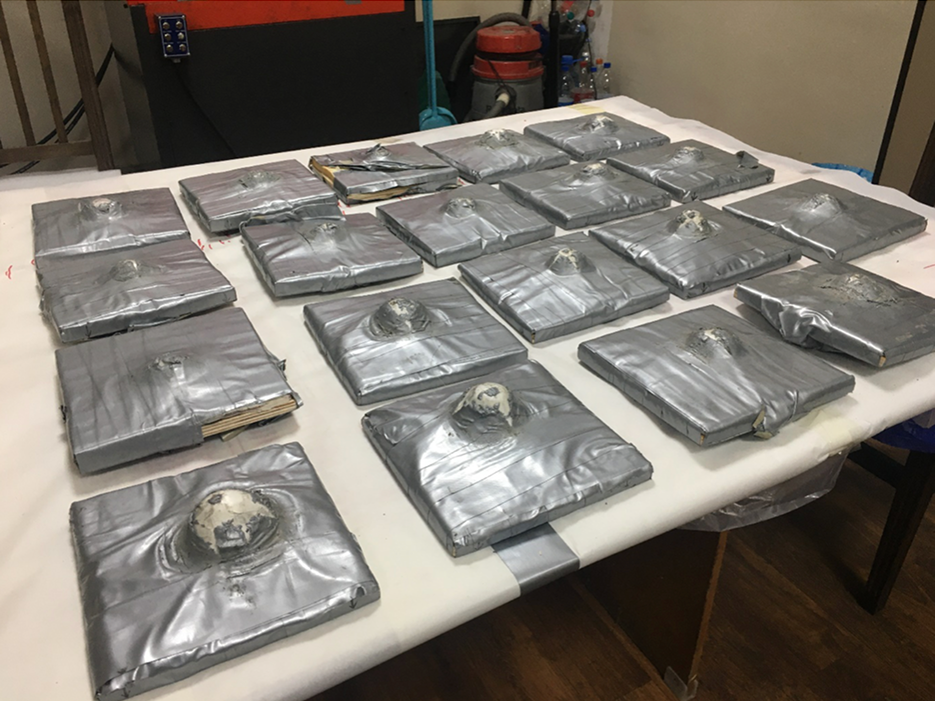
- 07
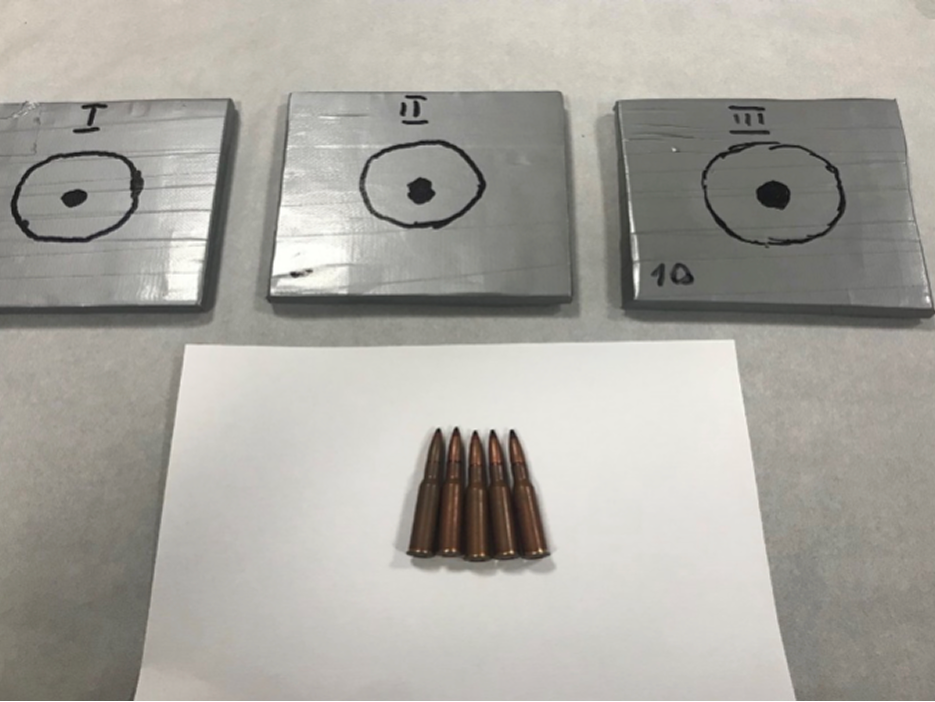
We use for ballistic tests three calibers
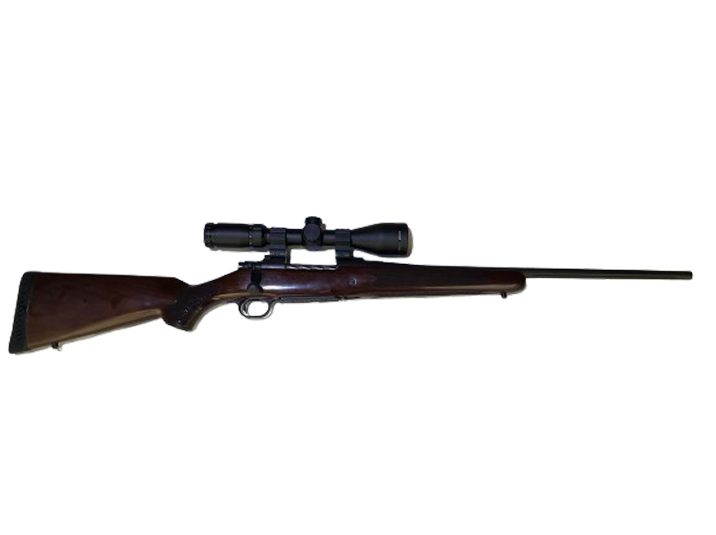
300 Winchester Magnum 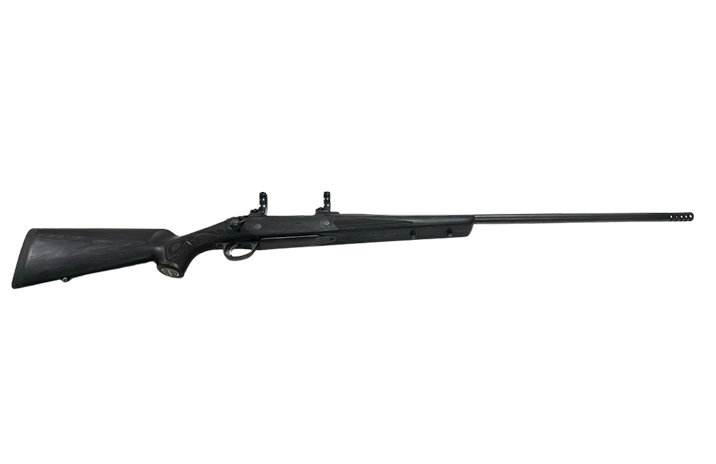
338 Lapua Magnum 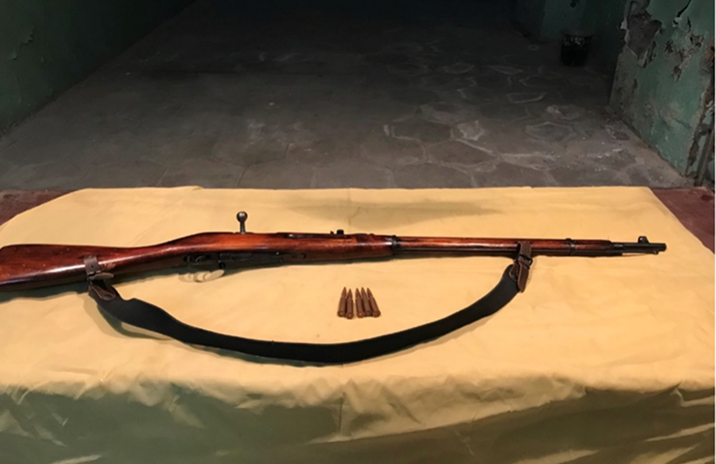
7,62 X 54 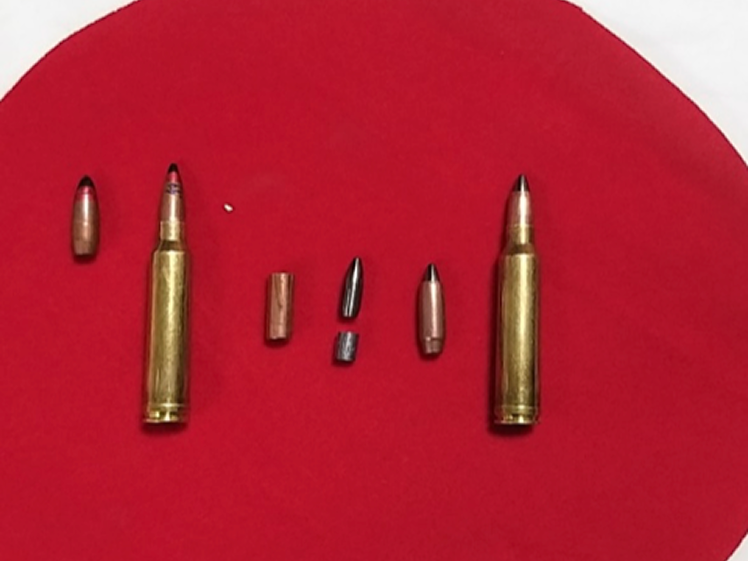
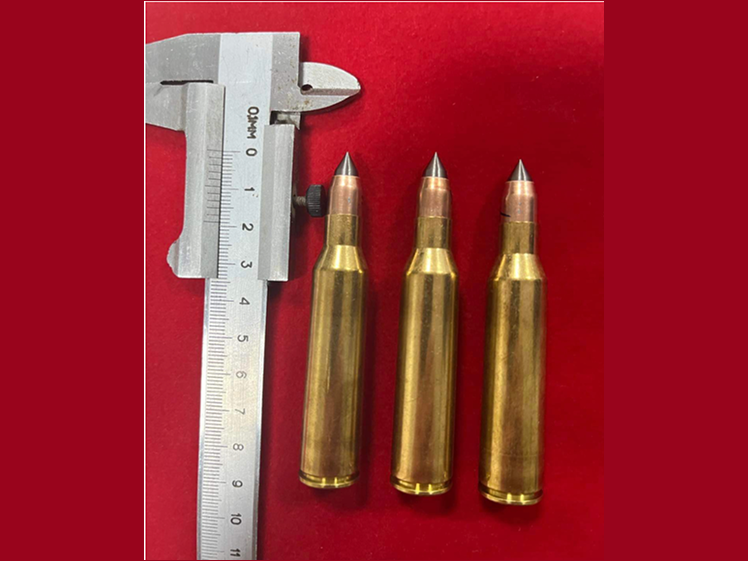
Armor materials & Ballistic specifications
Technical documentation — material properties, cartridge data, shooting reports and protection level classification.